On the Surface
We combine AIS, radar and communications data to monitor vessel activity at the surface. Based on excess or undeclared activity we help set priorities for inspections and contracted survey work.
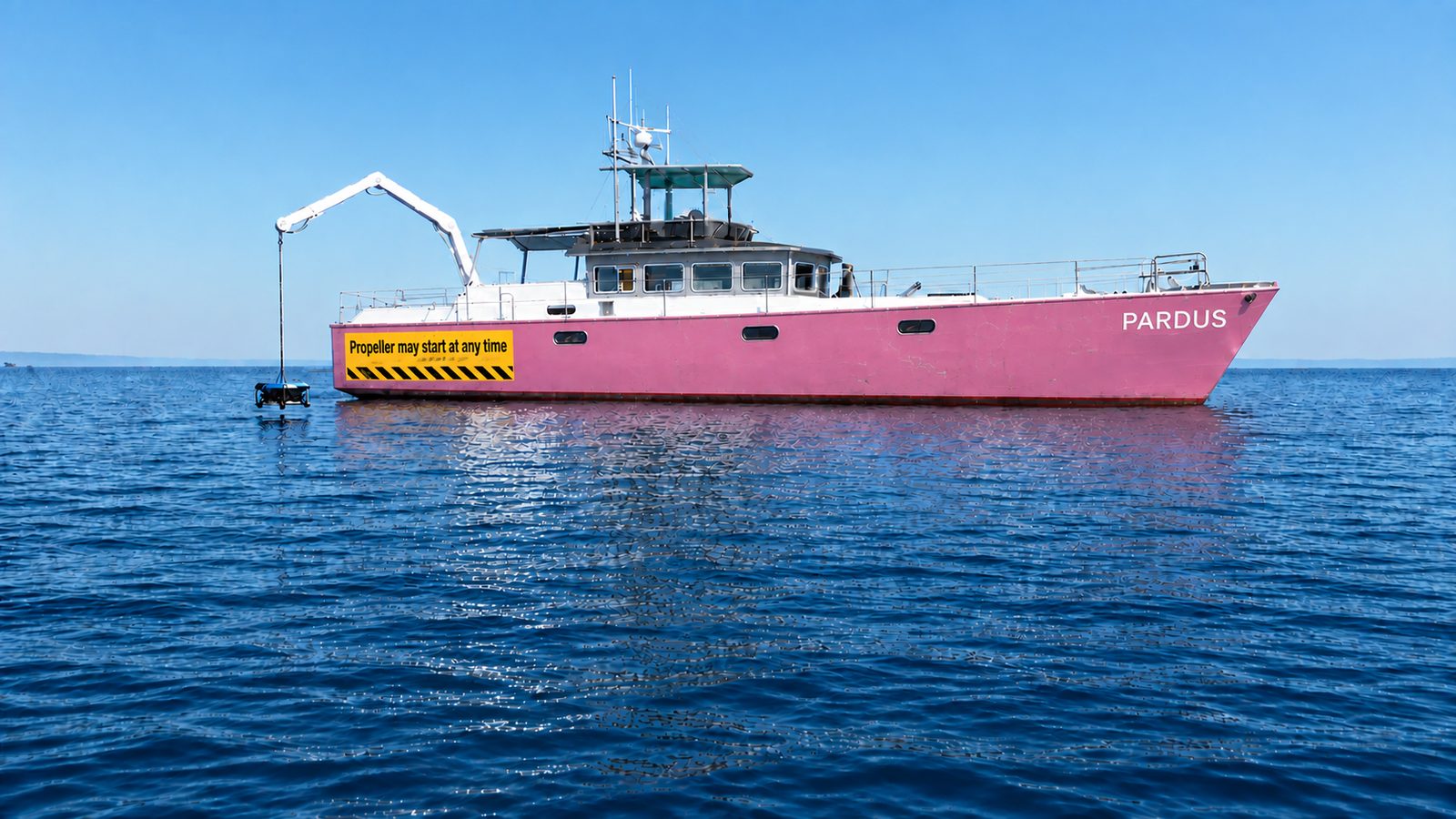
Continuous seabed imaging for subsea cables, pipelines and foundations.
Zonarch was founded in 2026 by Florent Prisse and Maarten Biermans. It grew out of technical curiosity and a stubborn drive to make things as simple as they can possibly be. We set out to research the scattered landscape of seabed surveying, and developed a plan to provide a base level of information on offshore seabed installations and the connections between them. That work is now well under way.
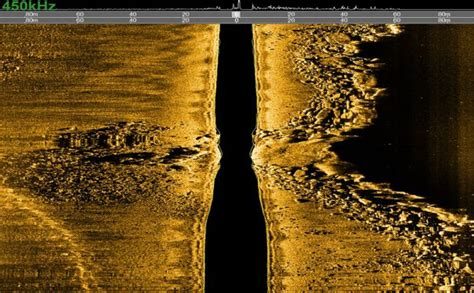
The North Sea is home to an extensive network of subsea infrastructure. Power and telecommunications cables, pipelines, offshore wind foundations and other assets operate in an environment that is constantly changing. Sonar surveys provide a way to monitor those assets without needing direct physical access.
By surveying the same area over time, we can create an up-to-date picture of both the infrastructure and the seabed surrounding it. Comparing survey datasets can help identify changes that may require closer investigation: changes in seabed level around foundations, exposed or buried sections of cable and pipeline routes, movement of sediment, scour, unexpected objects and other changes in the immediate environment around an asset.
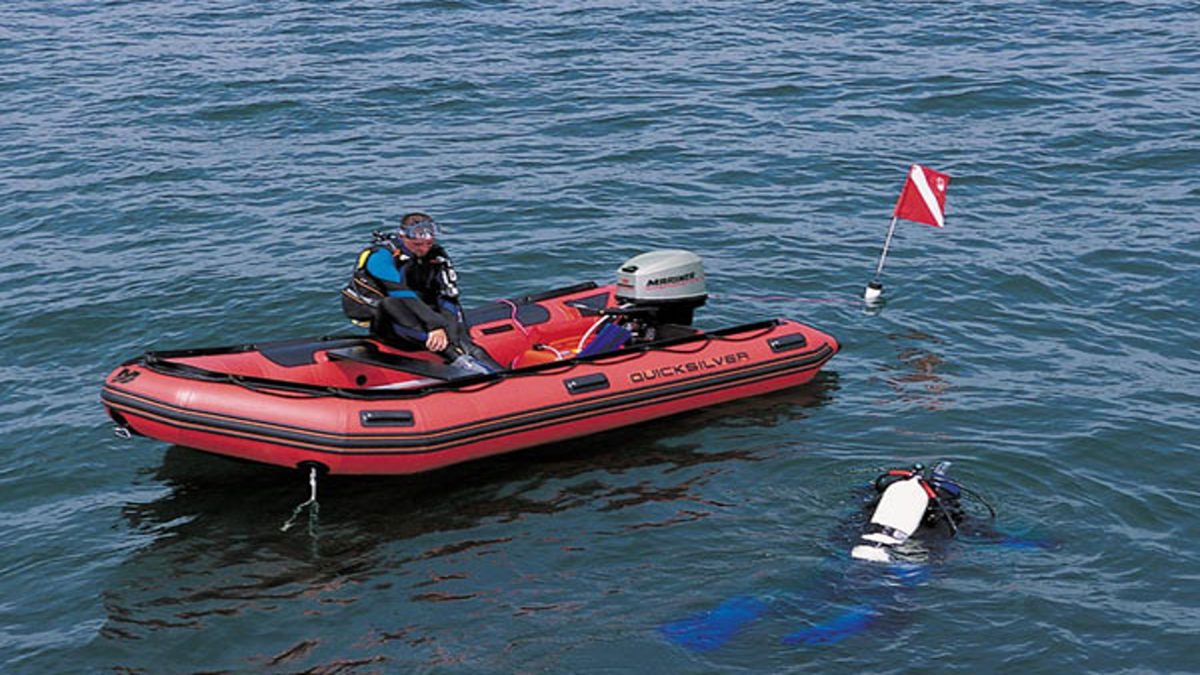
Our seabed mapping can support the monitoring of:
The objective is not simply to produce a map. It is to give operators a clearer picture of the environment their assets operate in.
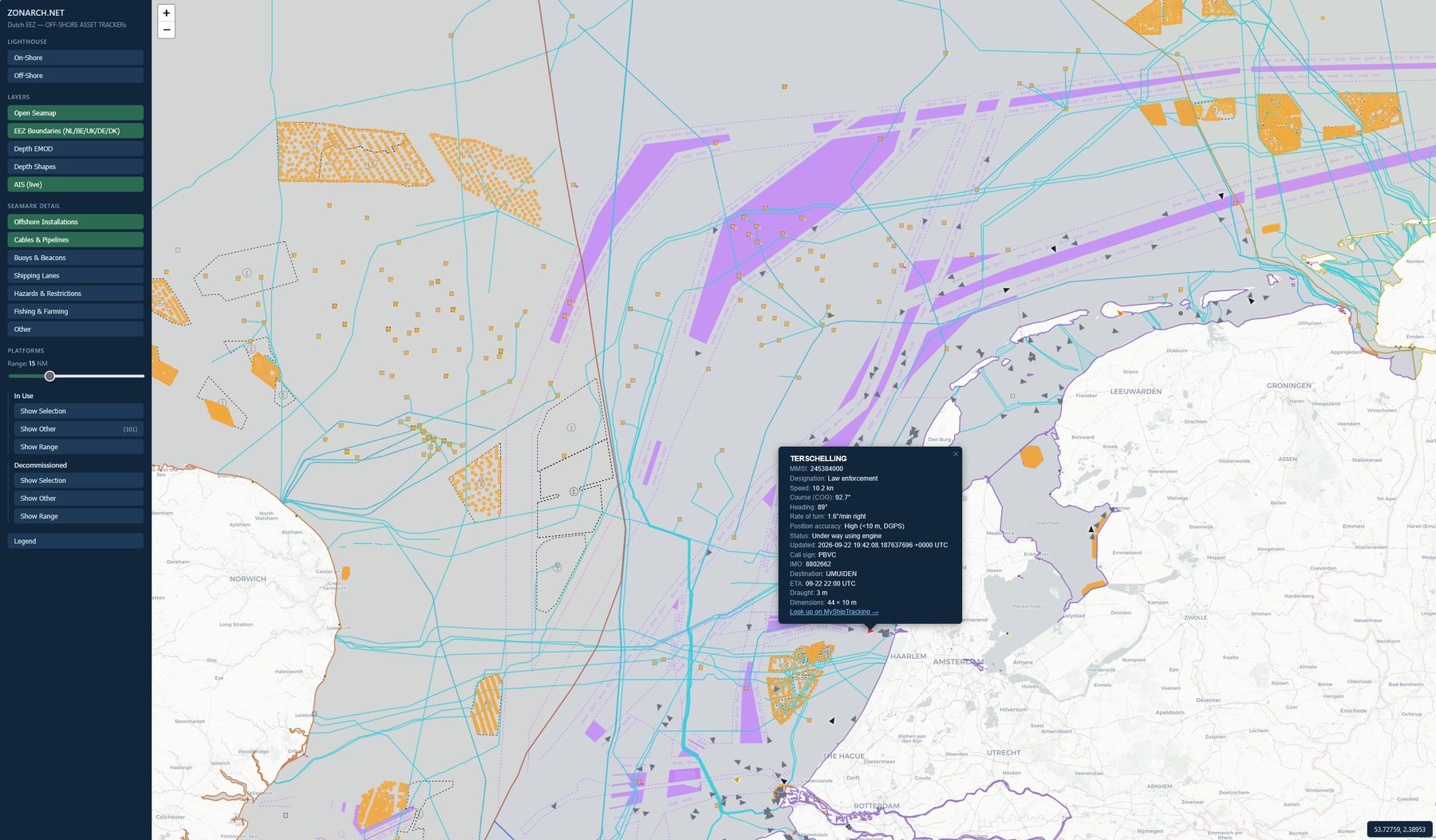
We combine AIS, radar and communications data to monitor vessel activity at the surface. Based on excess or undeclared activity we help set priorities for inspections and contracted survey work.
We contract sonar survey runs, process them through our classification and mosaicking pipeline, and make the results available to the offshore community. By pooling supply of and demand for subsea inspection, we make full use of our leased survey fleet and bring new operators on board.
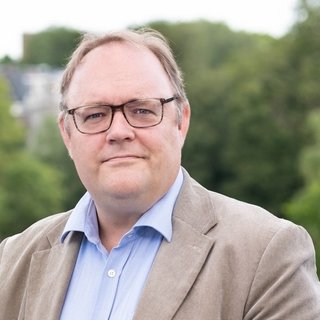
Maarten Biermans (1974) is a partner at a financing fund for the sustainability transition of shipping, which he co-founded in 2022. Before that he spent five years at Rabobank, starting as Head of ESG Policy and going on to lead the bank’s global Sustainable Finance team. Earlier, as a strategy consultant at Spring Associates (now MJ Hudson), he advised private-equity firms on responsible investment and ESG integration.
He holds master’s degrees in economics and philosophy and a PhD in economics from the University of Amsterdam, with a dissertation on ethics and the market. He teaches Sustainable Finance and Impact Investing at the UvA, and in 2024 co-authored Duurzame financiering with Barbara Baarsma. He contributes to think tanks on ESG, including the human rights committee of the Advisory Council on International Affairs.
Photo: Suzanne Blanchard
Florent Prisse (1972) brings more than 25 years of innovation in asset-intensive industries: manufacturing, upstream energy and public infrastructure. From 2011 to 2025 he was at Capgemini Invent, working on hardware innovation, equipment reliability and performance management, and building near-real-time views of asset condition with advanced analytics and industrial IoT. From 2018 to 2020 he led Capgemini’s Asset Performance Management practice in Paris. Earlier roles took him into defence, offshore oil, gas, and wind.
He holds an LLM in intellectual property from the University of Amsterdam and in 2025 completed a master’s module in military law. An offshore racing navigator and skipper for the training institute of the Royal Dutch Sailing Association, he also holds offshore safety (NOGEPA, HUET), UAV pilot and radio operator certifications.
A shared, clear picture for everybody who travels on, works in and cares for our North Sea.